There's something special about giving a gift that features someone's own memories. A custom photo gift transforms a fleeting moment into something tangible—a reminder of a shared laugh, a milestone achieved, or a simple Tuesday that meant everything. Yet not all custom photo gifts are created equal. While the market is flooded with options promising to turn your favorite image into a mug, blanket, or canvas, the reality is that many fall short on durability, color accuracy, and overall craftsmanship.
If you've ever received a custom photo gift where the colors looked faded, the print quality was grainy, or the product fell apart after a few months, you know the disappointment firsthand. The good news is that genuinely high-quality custom photo gifts absolutely exist. They just require understanding what separates exceptional keepsakes from mass-produced disappointments.
This guide breaks down everything you need to know about selecting custom photo gifts that will actually stand the test of time—products that deliver on the emotional promise of a personalized present.
Understanding Print Quality and Production Methods
The foundation of any quality custom photo gift is the printing technology used. Different methods produce vastly different results, and understanding these differences helps you make informed decisions.
Digital Photo Printing is the most common method for custom photo gifts. It offers flexibility, relatively fast turnaround times, and works well for color photographs. However, digital printing quality varies significantly depending on whether the company uses professional-grade equipment or basic commercial printers. Look for suppliers who specify they use inkjet or pigment-based inks rather than generic dyes, as these produce more vibrant colors and better longevity.
Sublimation Printing works by transferring dyes into polyester or polymer-coated materials using heat. This method creates incredibly vibrant, long-lasting images that won't peel or fade easily. It's excellent for photo mugs, blankets, phone cases, and other items with special coatings. The colors appear to be embedded in the material itself rather than sitting on top, which dramatically improves durability.
Canvas and Fine Art Printing typically uses a combination of methods. High-quality options involve printing directly onto canvas using professional-grade inks and then stretching the canvas over wooden frames. Budget options might use lower-quality canvas stock and standard inks, which yellows and fades more quickly.
Metal and Acrylic Printing creates striking displays for photographs. Quality versions use advanced printing techniques that cure inks onto the material's surface. Premium options include UV-resistant inks and protective coatings that prevent fading from sunlight exposure.
The method matters less than the execution. A sublimation print on a cheap blank is still a poor product. Conversely, a well-executed digital print on premium paper stock outperforms a poorly done sublimation item. Always research the specific supplier's production standards.
Key Quality Factors to Evaluate
Beyond printing method, several concrete factors distinguish quality custom photo gifts from mediocre ones.
Image Resolution and File Requirements significantly impact the final product's appearance. Professional custom photo gift suppliers typically require minimum resolutions of 300 DPI (dots per inch) and minimum image dimensions based on the final product size. If a company accepts low-resolution phone photos for large canvas prints, that's a red flag. They're essentially enlarging blurry images, which always produces disappointing results.
Color Accuracy depends on both equipment and calibration. Quality suppliers invest in color-managed workflows, meaning they use calibrated monitors, standardized lighting, and regular equipment maintenance to ensure the colors in your photo print match the original as closely as possible. This is why small custom shops sometimes outperform larger mass-market retailers—they maintain tighter quality control.
Material Substrate Matters Enormously. Premium photo mugs use ceramic rather than plastic, which handles heat better and preserves colors longer. High-quality blankets feature substantial fabric weight and tight weaves that hold sublimated colors better. Canvas should be 100% cotton or cotton-blend with a proper gesso primer, not thin polyester alternatives. Acrylic sheets for photo printing should be UV-resistant glass-like acrylic, not cheaper alternatives.
Longevity and Fade Resistance varies by product type. Professional archival papers for photo prints are engineered to resist fading for 100+ years under normal conditions. Sublimation prints generally last 10-15 years with regular use before noticeable fading. Standard inkjet prints on regular paper might fade within a few years. Understand the expected lifespan of your chosen product.
Finishing Details reveal quality. Professional custom photo gifts feature straight seams, clean edges, and secure construction. Examine photos of finished products—not just product mockups. Look for wrinkles, smudging, color bleeding, or uneven printing. These details tell you about the company's quality control standards.
Product Types Worth the Investment
Certain custom photo gift categories consistently deliver better value and quality when sourced from reputable suppliers.
Photo Books and Journals represent one of the most reliable custom photo gift options. High-quality options use premium paper stocks, professional-grade color printing, and durable binding. The best versions feature lay-flat binding that allows pages to open completely without cracking the spine. These gifts age gracefully—they're meant to be flipped through repeatedly, and quality construction handles this use.
Canvas Prints make impressive displays when executed well. A properly produced canvas print—photographed correctly, printed with quality inks on premium canvas, and stretched tightly over solid wood frames—becomes a beautiful wall accent that commands attention. The key is understanding the specific printing process the supplier uses.
Ceramic and Porcelain Items like mugs, plates, and tiles hold up remarkably well. Ceramic is fired at high temperatures after decoration, which permanently bonds the design to the material. This means dishwasher use, regular handling, and years of use won't fade or degrade the image. Porcelain, being denser and more durable, lasts even longer.
Quality Blankets and Textiles using sublimation printing create cozy, lasting keepsakes. Unlike screen-printed textiles where the ink sits on top and cracks, sublimation dyes become part of the fabric fibers. A well-produced photo blanket will maintain its vibrancy through numerous washings.
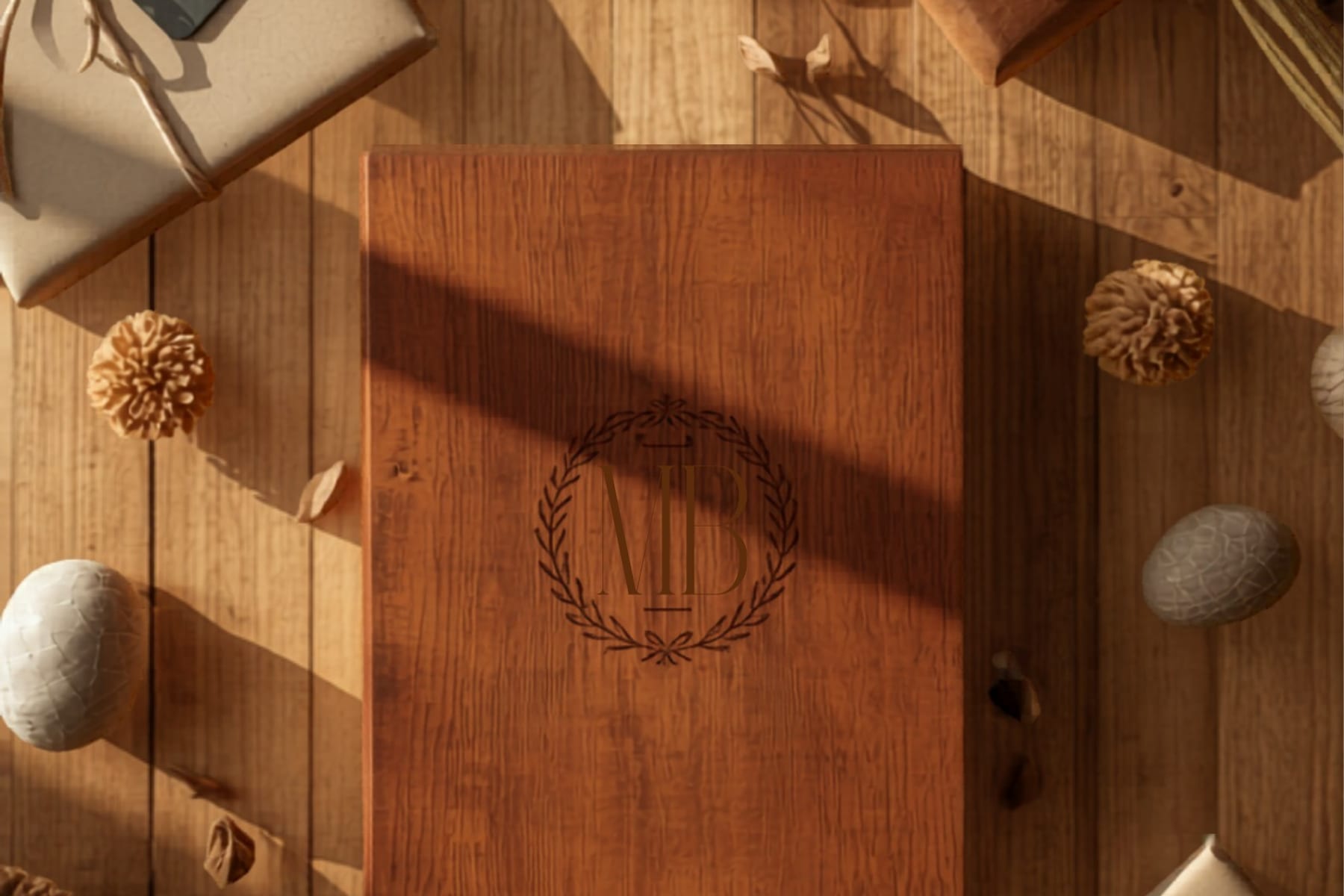
Wooden Products like boxes, signs, and frames add warmth and elegance. High-quality wooden custom photo gifts use solid wood, quality photo transfers, and protective finishes that prevent moisture damage and fading. Less expensive versions use plywood and thin veneers that warp and degrade.
Metal Prints and Aluminum create sleek, modern displays. Premium versions use professional aluminum stock with UV-protective coatings and archival inks. The result is a scratch-resistant, vibrant display that handles temperature fluctuations and environmental exposure far better than paper or canvas.
Red Flags to Avoid
Knowing what to avoid is just as important as knowing what to seek out.
Suspiciously Low Prices usually indicate corner-cutting somewhere—cheaper materials, lower-quality printing equipment, minimal quality control, or all three. While not every inexpensive custom photo gift is poor quality, prices significantly below industry averages warrant investigation into their production methods.
Limited Sample Photos from suppliers is concerning. Reputable companies showcase finished product photos from real customers because they're proud of the results. If browsing the site shows only mockups or stock imagery, proceed cautiously.
Generic or Vague Descriptions about materials and printing methods suggest the company doesn't prioritize transparency. Quality suppliers clearly specify paper stocks, ink types, fabric compositions, and production processes because they know customers care about these details.
No Reviews or Feedback from previous customers is a major warning sign. Today's custom photo gift market has abundant online reviews. Absence of feedback suggests either a brand new company (which may be fine, but adds risk) or a company that actively discourages reviews (which rarely happens for good reasons).
Overpromising Results without realistic expectations is a red flag. Legitimate suppliers explain that very low-resolution photos won't produce high-quality prints, that colors may shift slightly due to monitor differences, and that certain products have expected lifespans. If a company promises perfection regardless of photo quality, they're misleading you.
Tips for Getting the Best Results
Once you've identified a quality supplier, several practices maximize the results.
Start with Strong Source Images. Use photos that are in focus, well-lit, and high-resolution. Outdoor photos taken in natural light typically produce better results than dim indoor snapshots. If your favorite photo is slightly blurry or poorly lit, consider whether it's the right choice for printing, no matter how perfect the memory.
Understand File Specifications. Read the supplier's technical requirements carefully. They're not being picky—they're telling you exactly what will work best with their equipment. Providing an image at the exact specifications they request ensures optimal results.
Review Color Options and Proofs When Available. If the supplier offers color proofs or adjustments, take advantage. A few minutes spent comparing options prevents disappointment later.
Consider the Display Location. Custom photo gifts in high-sunlight areas fade faster, regardless of quality. Sublimation prints and professional archival prints handle sunlight better than others. If displaying near direct sunlight, verify UV-resistance ratings.
Choose Products Based on Durability Needs. A photo book for gentle occasional viewing can use different specifications than a daily-use mug. Match product choice to intended use.
Conclusion: Investing in Memories
Custom photo gifts that are actually good quality represent more than just physical objects. They're tangible expressions of your care and attention to someone's happiness. They're the photos that matter enough to preserve. They're memories transformed into keepsakes worth keeping.
Finding truly quality custom photo gifts requires understanding what separates exceptional results from mediocre ones—knowing about printing technologies, material standards, supplier transparency, and realistic expectations. It means looking beyond the lowest price and the most ambitious promises to find the companies genuinely committed to craftsmanship.
The best custom photo gifts are produced by suppliers who invest in quality equipment, source premium materials, maintain rigorous quality control, and clearly communicate their processes and limitations. They produce items designed not just to look beautiful on day one, but to remain vibrant and intact years later, when that fleeting moment captured in the photograph has become even more precious.
Your search for a great custom photo gift doesn't have to end in disappointment. By prioritizing print quality, material integrity, and supplier reputation, you can create and give something genuinely wonderful—a gift that honors the moment it preserves and brings lasting joy to everyone who receives it.